
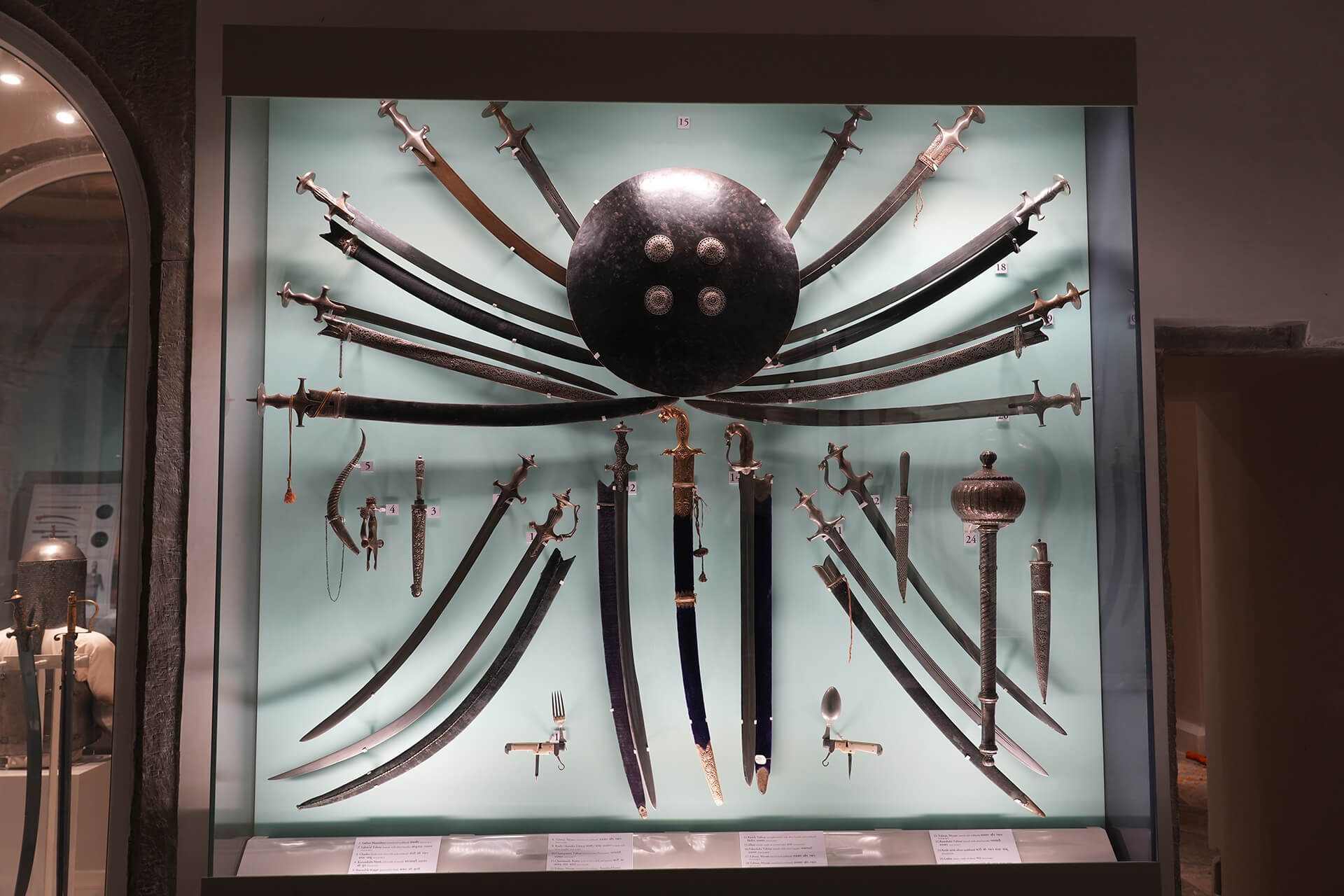
The display provides a comprehensive explanation of the utility of weapons in Mewar from the 16th to 20th century; ranging from rare, personal weapons of Maharanas to arms for the Mewar army.
Explore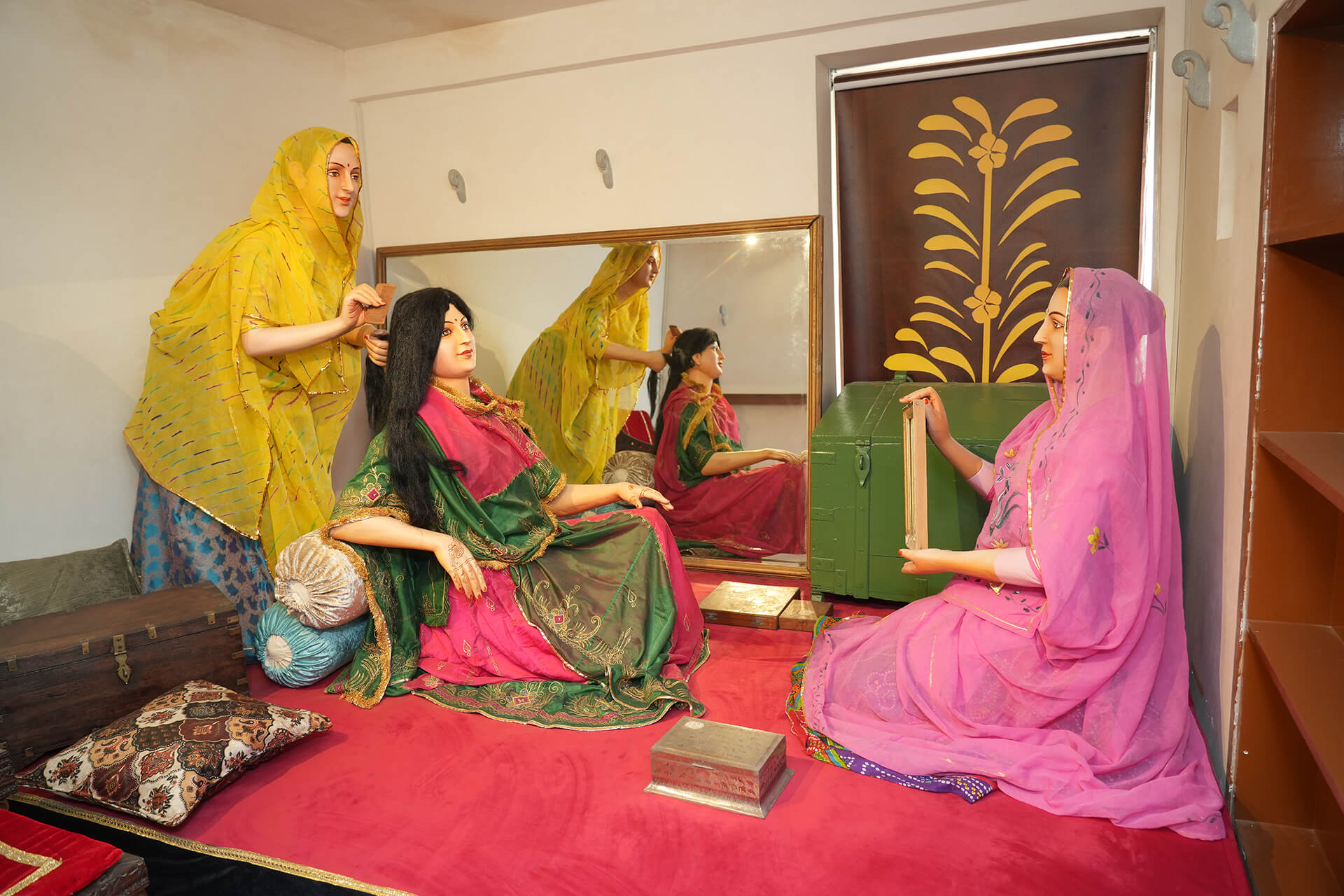
The changing socio-political situations in the Indian subcontinent, at the start of the 17th century, necessitated enhanced security measures to be taken for women.
Explore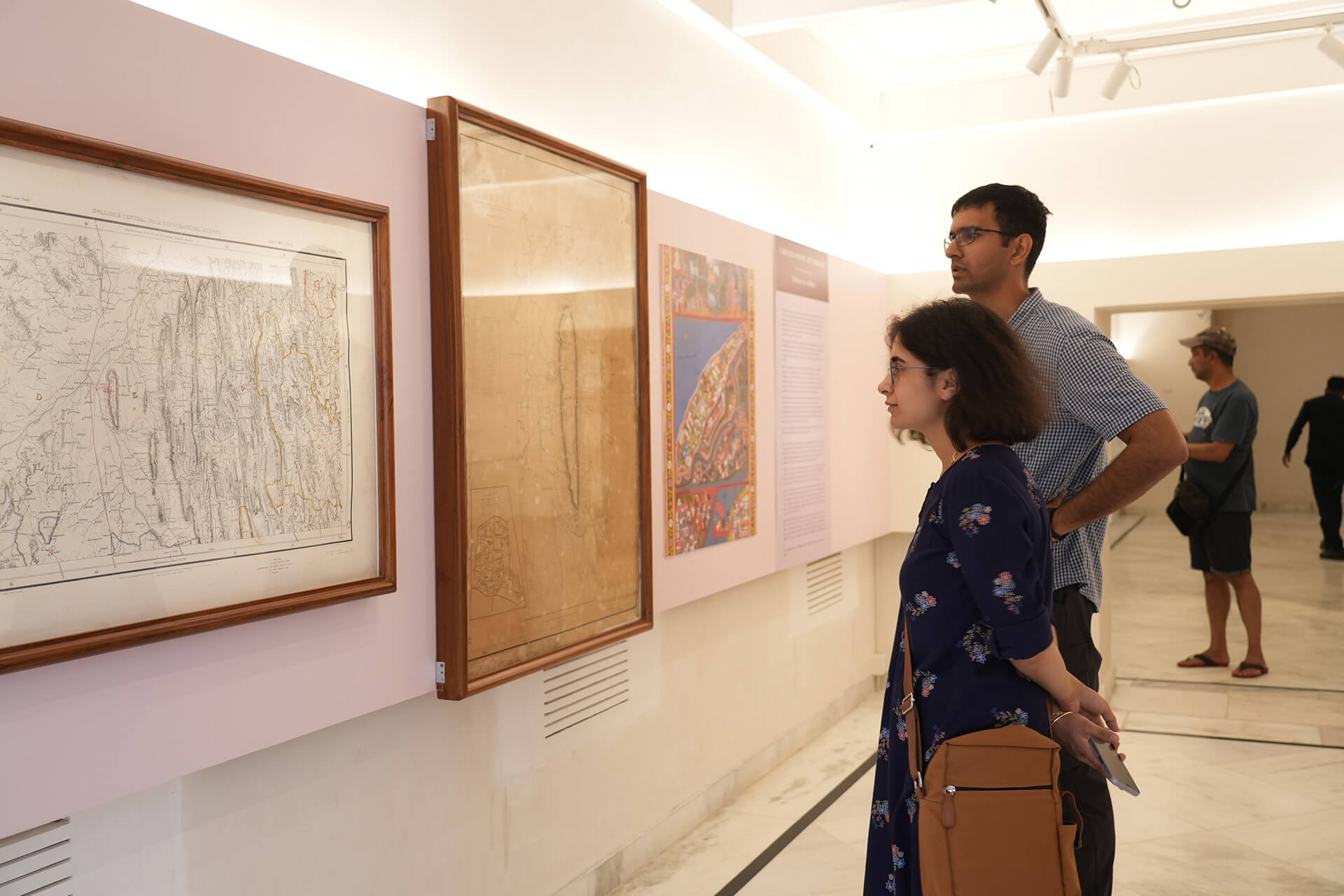
The exhibition delves into the captivating world of maps and cartography in Mewar, juxtaposing exquisite paintings showcasing the city and its landscape with British and European maps.
Explore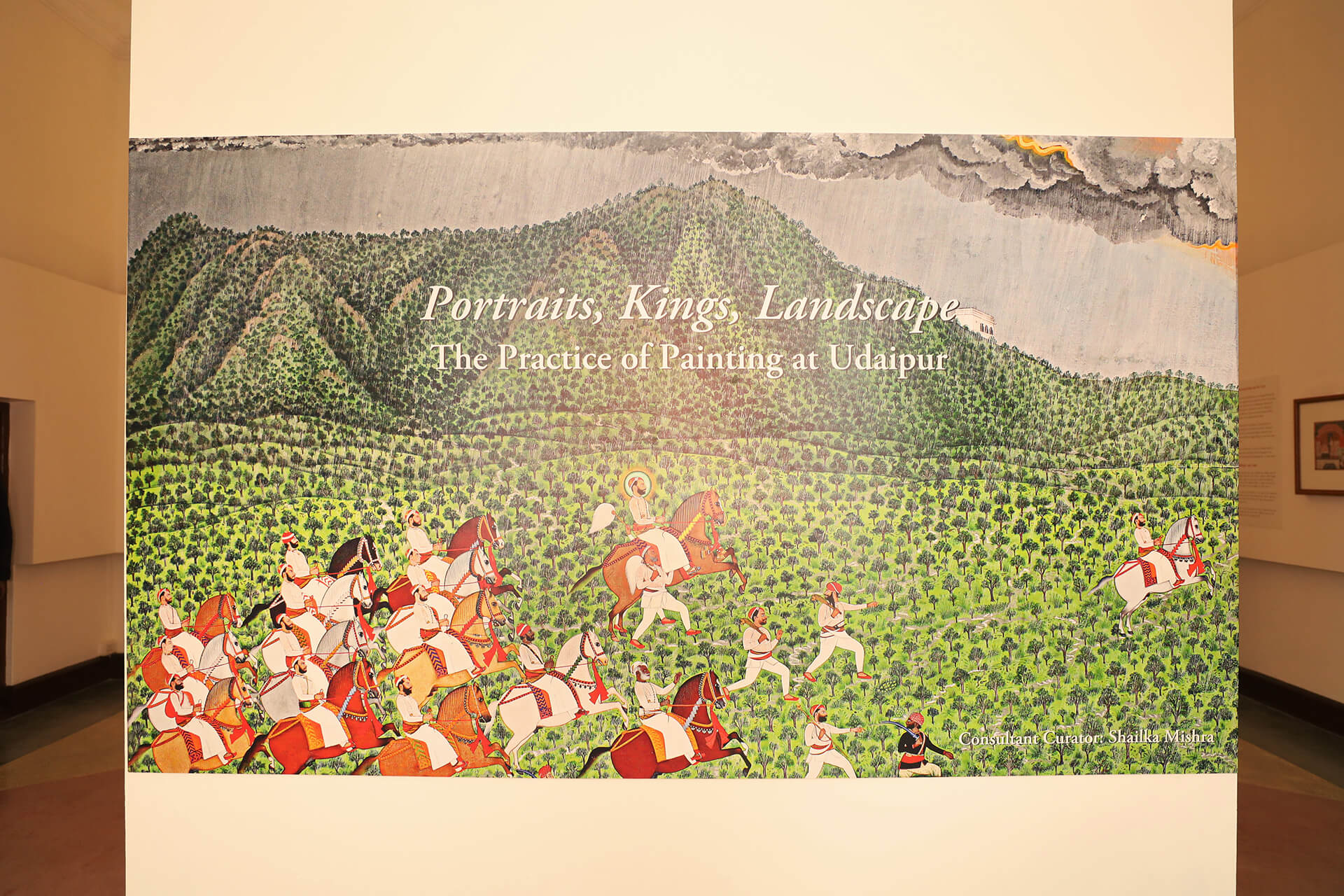
Successive generations of the Maharanas of Mewar commissioned and patronized several artists at their courts who went on to produce wonderful works, known across the world as belonging to the Mewar school of paintings with use of rich, vibrant colours.
Explore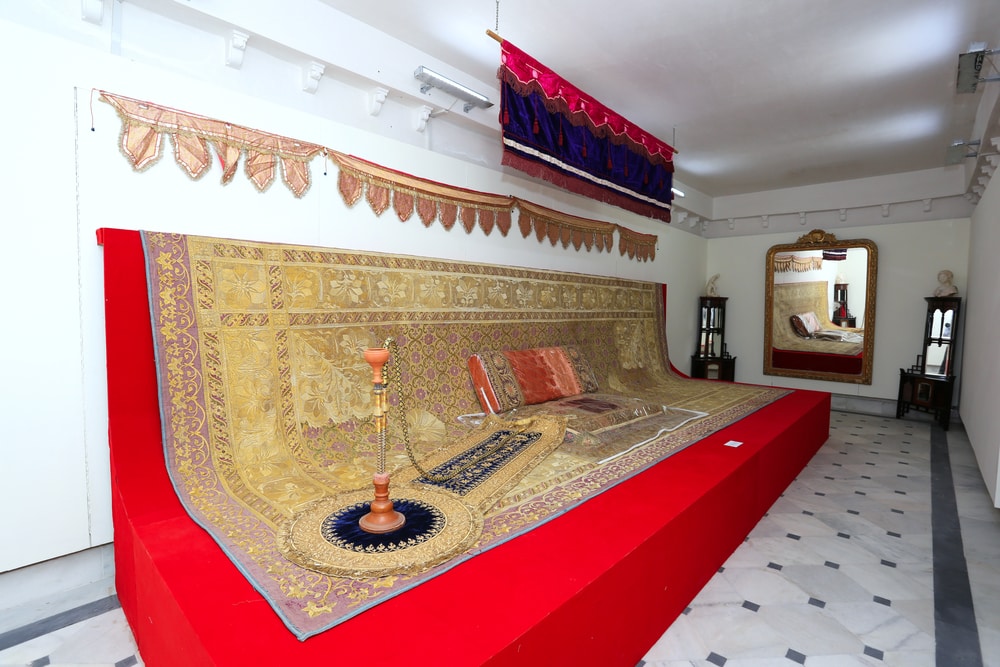
Textiles vary from region to region. Mewar family, has over the years preserved this cultural heritage; passing it down through the ages, with occasional experimentations in design, color, etc.
Explore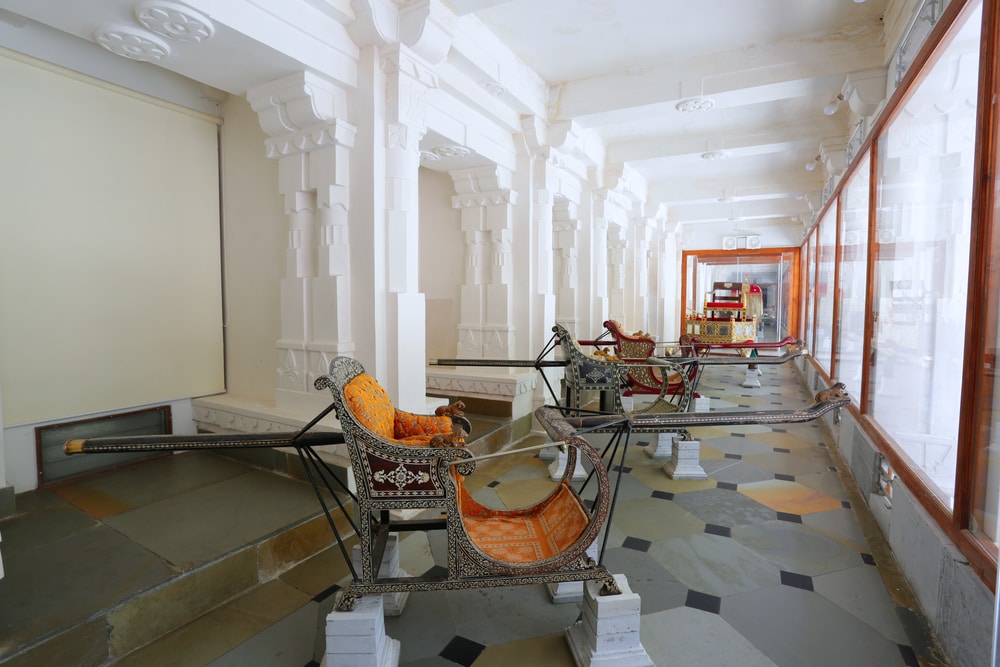
The royal life called for an even more regal mode of transport; be it for grand ceremonial processions, devotional visits to shrines, meetings with the general public, or the royal hunts.
Explore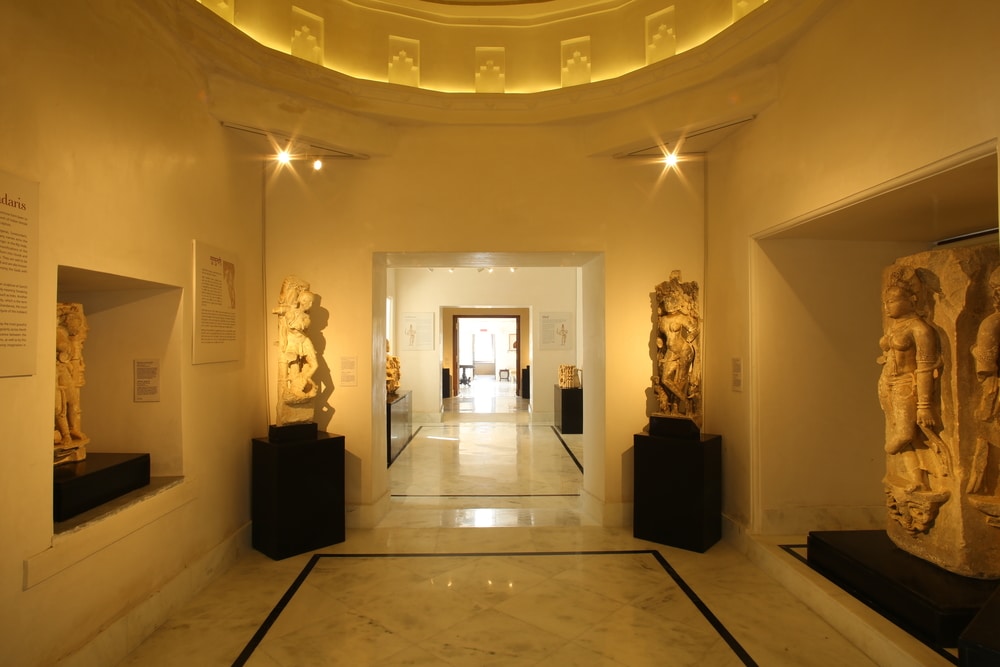
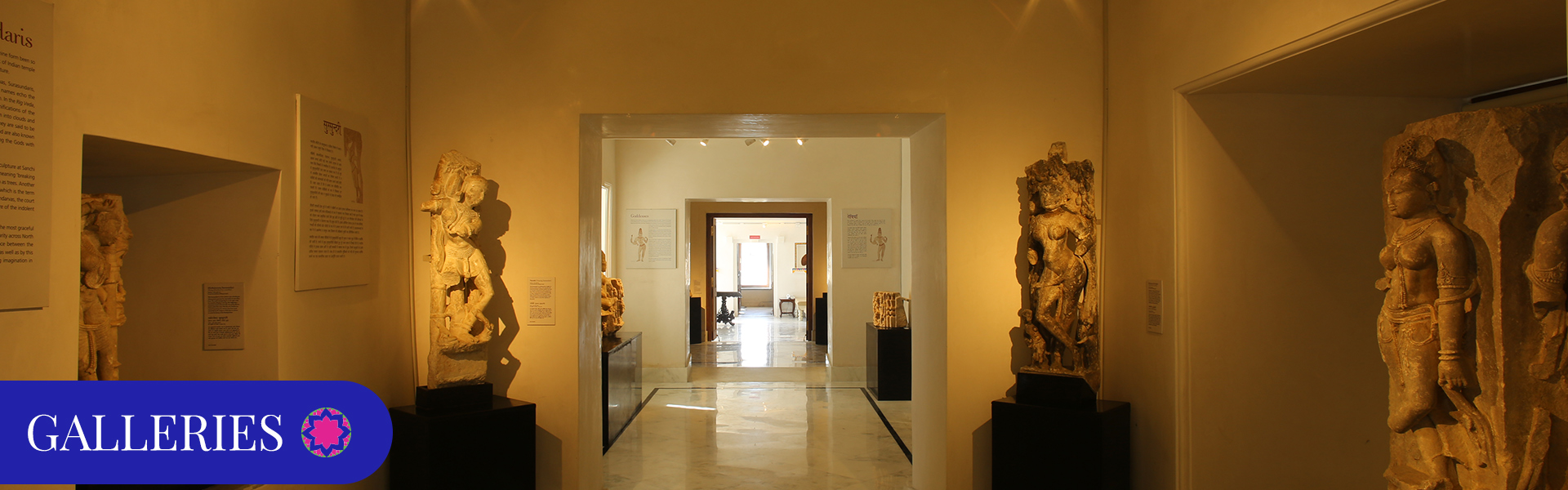
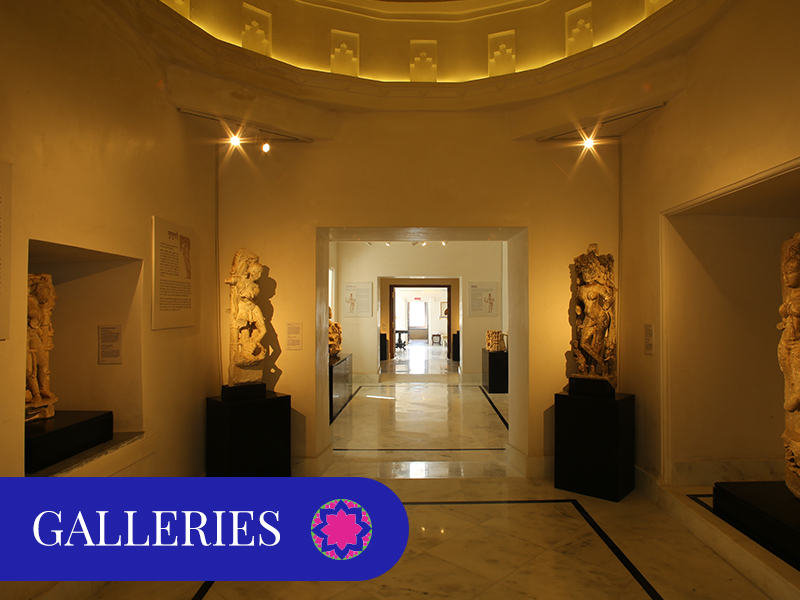
The display features stone sculptures from in and around Shree Eklingnath ji Temple, Kailashpuri that follows the Gurjara-Pratihara style of temple construction.
Explore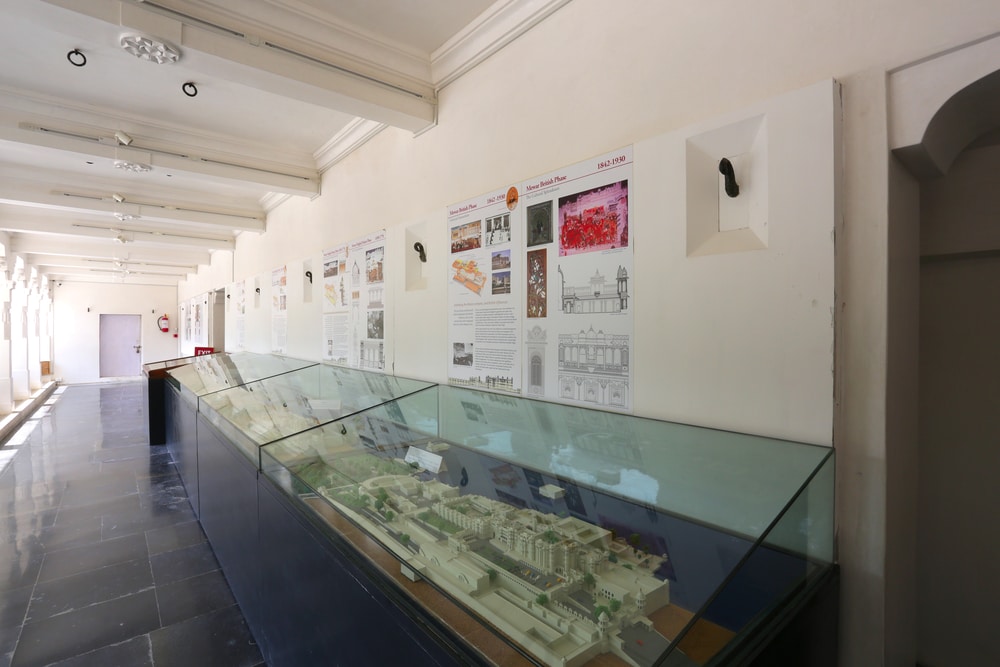
The exhibit showcases Mewar temple architecture dating from 10th century CE onwards and palatial architecture of the region of Mewar from the 16th to 19th Century
Explore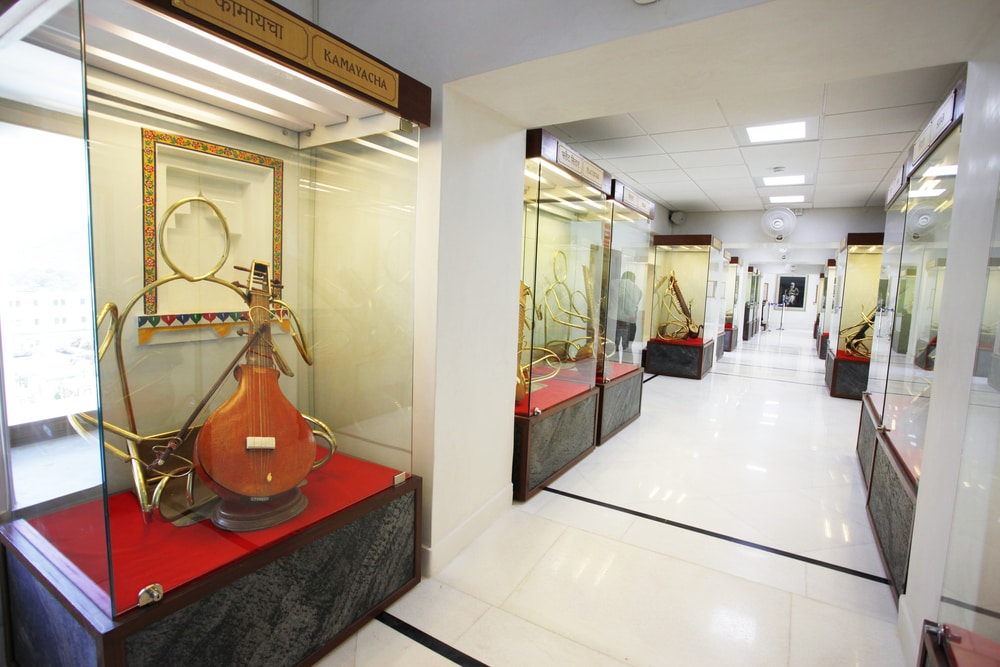
The land of Mewar and its Maharanas, have over the years, provided immense patronage to persons engaged in performing arts, including those belonging to the field of music. Some of them took a very keen interest themselves
Explore
Nestled in what would have once been thriving quarters of the Zenana with an equally vibrant courtyard, stands the Silver Gallery; the first gallery in all of Asia to be solely dedicated to silver.
Explore